
How to Make Your First $1,000 as a Music Producer
Estimated Read Time: 9 minutes
Last Updated: January 2025
Look, I'm not going to sugarcoat this - making your first $1,000 as a producer takes work. But I've seen countless producers hit this milestone, and the path is clearer than you might think. Trust me, if I can do it, you can do it! Whether you've been grinding for months or just starting out, this guide breaks down the real strategies that get you started earning income for your art.
What We're Covering:
Getting Real About Your First $1K
The Foundation: Skills That Actually Pay
Quick Money Method #1: Beat Sales
Quick Money Method #2: Mixing & Mastering Services
Quick Money Method #3: Custom Production Work
Building Your Producer Brand
Passive Income Streams
Pricing Yourself Right
Common Mistakes That Kill Your Income
Scaling Beyond Your First $1K
FAQ Section
Ready to turn your passion into profit? Check out the free Entreproducers Fundamentals training that dives deep into AI-powered fanbase growth and music monetization strategies. It's packed with actionable insights that complement everything we're covering here.
Getting Real About Your First $1K
Let's start with some truth: the timeline varies wildly. I've seen producers make their first grand in 30 days, and others take 8 months. The difference? Focus, consistency, and picking the right income streams for their skill level.
Your first $1,000 won't come from landing a major label deal or producing the next chart-topper. It comes from understanding the fundamentals of music business and stacking smaller wins. Think 20 x $50 beat sales, or 10 x $100 mixing jobs, or 5 x $200 custom productions.
The producers who struggle most are the ones waiting for that one big break instead of building multiple revenue streams. Don't be that person.
The Foundation: Skills That Actually Pay
Before diving into money-making methods, let's get your foundation solid. You need these core skills locked down:
Essential Skills:
Clean mixing fundamentals (EQ, compression, reverb)
Basic melody construction and chord progressions
Understanding of song structure and arrangement
File organization and project management
Professional communication with clients
Nice-to-Have Skills:
Advanced sound design
Live instrument recording
Complex music theory knowledge
Multiple DAW proficiency
Here's the thing - most producers over-complicate this. You don't need to be the next Timbaland to start earning. I know producers making solid money who can't even read sheet music, but they understand what makes a beat knock and how to deliver professional-sounding results consistently.
Quick Money Method #1: Beat Sales
Beat sales are the fastest route to your first $1K, hands down. The barrier to entry is low, and the market is huge. BeatStars has paid out well over $200 million to producers in recent years, proving there's serious money flowing.
Platform Breakdown:
Platform | Pros | Cons |
|---|---|---|
BeatStars | Largest audience, built-in promotion | High competition, steep fees |
Airbit | Lower fees, good analytics | Smaller user base |
Traktrain | Quality-focused, international reach | Selective approval process |
Your Website | Keep all profits, full control | Need to drive your own traffic |
Pricing Strategy:
Non-exclusive basic licenses: $20-50
Exclusive rights: $200-500
Premium/unlimited licenses: $100-200
Start with the lower end of these ranges. I see too many new producers pricing themselves out of sales by asking for $100+ beats when they're just starting. Build your reputation first, then raise your rates.
Social Media Promotion:
Instagram and TikTok are goldmines for beat promotion. Post 30-second snippets with engaging visuals, use relevant hashtags (#typebeat #trapbeats #producer), and engage with your local music scene. One viral snippet can lead to weeks of sales.
The Entreproducers training covers advanced social media strategies specifically for producers - definitely worth checking out if you want to accelerate your online presence.
Quick Money Method #2: Mixing & Mastering Services
Mixing and mastering services offer more consistent income than beat sales. Artists need their songs mixed regardless of whether they buy beats, and they're often willing to pay more for quality results.
Starting Rates:
Basic mix: $75-150 per song
Mix + master: $100-200 per song
Stem mastering only: $50-75 per song
Technical Requirements:
You don't need a $50,000 studio to offer mixing services. A decent pair of monitor headphones (Audio-Technica ATH-M50x or Sony MDR-7506), acoustic treatment for your room, and solid plugin knowledge will get you started.
Finding Clients:
Local artists and studios
Fiverr and Upwork (despite the platform fees)
Facebook groups for independent artists
Networking at local shows and open mics
Referrals from satisfied customers
The key is starting with reasonable rates and delivering consistently good results. Your portfolio and testimonials will naturally lead to higher-paying work.

Quick Money Method #3: Custom Production Work
Custom production work - creating original beats or full productions for specific artists - typically pays the most per project. These gigs range from $200-1000+ depending on the artist's budget and your reputation.
Types of Custom Work:
Ghost production: Creating beats credited to someone else
Collaboration projects: Working directly with artists on their vision
Remix work: Reimagining existing songs
Jingle/commercial production: Short pieces for businesses
Finding Custom Work:
Start local. Hit up every rapper, singer, and songwriter in your city. Offer to do their first beat at a discount to build the relationship. Word of mouth is incredibly powerful in music - one satisfied artist can lead to 5-10 new clients.
Online platforms like SoundBetter connect producers with artists worldwide, though competition is fierce. Focus on building genuine relationships rather than competing solely on price.
Building Your Producer Brand
Your brand is what separates you from the thousands of other producers online. It's not just your logo or Instagram aesthetic - it's your reputation, your sound, and how people perceive working with you.
Brand Essentials:
Consistent online presence across platforms
Professional email communication
Quick response times to inquiries
Reliable delivery of promised work
Unique sound or niche focus
Portfolio Creation:
Quality over quantity, always. Better to have 10 amazing beats showcasing your range than 50 mediocre ones. Include different styles but maintain some consistency so people know what to expect from you.
Create playlist-style demos showing your versatility - trap, R&B, pop, etc. Make it easy for potential clients to understand what you offer.
Passive Income Streams
While active work (custom beats, mixing) pays the bills immediately, passive income streams build long-term wealth. These take time to develop but can eventually provide steady monthly income.
Sample Packs and Loops:
Platforms like Splice, Loopmasters, and Producer Loops pay royalties every time someone downloads your samples. Splice alone has over 4 million active users, creating massive potential reach for quality samples.
Streaming Royalties:
If you're credited as a producer on released songs, you earn royalties every time they're streamed. Register with a performing rights organization (BMI, ASCAP, or SESAC) to collect these payments.
Sync Licensing:
Getting your music placed in TV shows, commercials, or films can pay anywhere from hundreds to thousands of dollars per placement. Companies like Musicbed, Artlist, and AudioSocket accept submissions from independent producers.
Beat Leasing:
Unlike exclusive sales, leased beats can be sold multiple times to different artists. This creates recurring revenue from the same piece of work.
Pricing Yourself Right
Pricing is where most new producers either leave money on the table or price themselves out of work entirely. Here's how to find that sweet spot:
The Psychology of Pricing:
Price too low: People assume low quality
Price too high: You get fewer opportunities to prove yourself
Price just right: You get steady work and can gradually increase rates
Rate Progression Strategy:
Months 1-3: Below market rate to build portfolio and testimonials
Months 4-6: Match local market rates
Months 7+: Gradually increase based on demand and skill improvement
When to Raise Your Rates:
You're booking more work than you can handle
Your skills have noticeably improved
You've built a strong reputation/portfolio
Market rates in your area have increased
Never apologize for your rates. If someone can't afford your services, that's okay - focus on clients who value quality work and can pay appropriately.
Common Mistakes That Kill Your Income
I've seen these mistakes derail promising producers more times than I can count:
The Perfectionism Trap:
Spending 6 months perfecting one beat instead of creating 50 beats and learning from real client feedback. Done is better than perfect, especially when you're starting out.
Working for Free "For Exposure":
Exposure doesn't pay rent. If someone values your work, they should pay for it. The only exception is strategic situations where you genuinely believe it will lead to paid work (and you set clear expectations about future payments).
Poor Client Communication:
Not responding to messages quickly, unclear about delivery timelines, or being defensive about revision requests. Professionalism matters more than raw talent in building a sustainable income.
Underestimating Business Aspects:
Not tracking expenses for tax purposes, not having contracts for larger projects, or not saving money for equipment upgrades and slow months.
Comparing Yourself Constantly:
Focusing on what other producers are doing instead of developing your own sound and client relationships. Social media makes everyone else's success look effortless - trust me, it's not.
Scaling Beyond Your First $1K
Once you've hit your first thousand, the real work begins. Here's how to build on that momentum:
Reinvesting Your Earnings:
Better monitoring setup
Additional plugins or sample libraries
Professional website and branding
Marketing budget for social media ads
Building Repeat Clients:
It's much easier to sell to existing clients than find new ones. Stay in touch with past customers, offer package deals for multiple songs, and always deliver more value than expected.
Expanding Your Services:
Once you're comfortable with your core offering, consider adding complementary services like vocal tuning, songwriting, or artist development consulting.
Tracking Your Progress:
Keep detailed records of your income sources, client satisfaction, and skill development. This data helps you double down on what's working and pivot away from what isn't.
The producers making serious money (we're talking $5K+ monthly) typically have 3-4 income streams running simultaneously. They might sell beats online, mix for local artists, create sample packs, and take on occasional custom production work.
Check out the free Entreproducers training if you want a head start on making your first $1k!
FAQ Section
How long does it take to make your first $1,000 as a producer?
Most focused producers hit their first $1K within 3-6 months. The timeline depends on your starting skill level, how much time you can dedicate, and which income streams you pursue. Beat sales can generate quick wins, while building a mixing clientele takes longer but provides more consistent income.
Do I need expensive equipment to start making money?
No. Many successful producers started with basic setups - a computer, decent headphones, and a DAW. Your ears and creativity matter more than gear. Focus on developing your skills first, then upgrade equipment as your income grows.
Should I focus on one genre or diversify?
Start with what you're passionate about and naturally good at, but don't limit yourself completely. Having a signature sound helps with branding, but versatility increases your potential client base. Many successful producers are known for one style but can work in multiple genres.
How do I know if my beats are good enough to sell?
If you're creating complete, professional-sounding beats that you'd want to rap or sing over, you're probably ready to start selling. Don't wait for perfection - the market will teach you what works better than any tutorial. Start with lower prices and gradually increase as you improve.
What's the best way to find my first clients?
Start local. Start with your existing network. Ask your cousin if he needs beats! Connect with every artist in your scene, offer competitive rates, and focus on building relationships rather than just transactions. Online platforms like BeatStars and Fiverr can supplement local work but shouldn't be your only strategy for finding clients. Start manually by reaching out to people.
Making your first $1,000 as a producer isn't just about the money - it's proof that you can turn your passion into profit. Every successful producer started exactly where you are now, wondering if they could make it work.
The difference between those who make it and those who don't isn't talent or luck. It's consistency, professionalism, and the willingness to treat music production as both an art and a business. Focus on delivering value to your clients, stay persistent through the slow periods, and keep improving your craft.
Your first $1K is just the beginning. Once you prove you can earn money from your music, scaling to $5K, $10K, and beyond becomes a matter of systems and strategy rather than hope and luck.
TL;DR
Making your first $1,000 as a music producer is a super attainable goal! Think about any existing connections you have and do some outreach to them. Real relationship building is the key to stacking your first few monetary wins. Ask your friends if they need beats, mixing, or whatever producer skillset you think you can best provide. Nothing needs to be perfect in the beginning. Take action and get after it! Now stop reading and start producing. Your first thousand dollars is waiting :)
About the author:
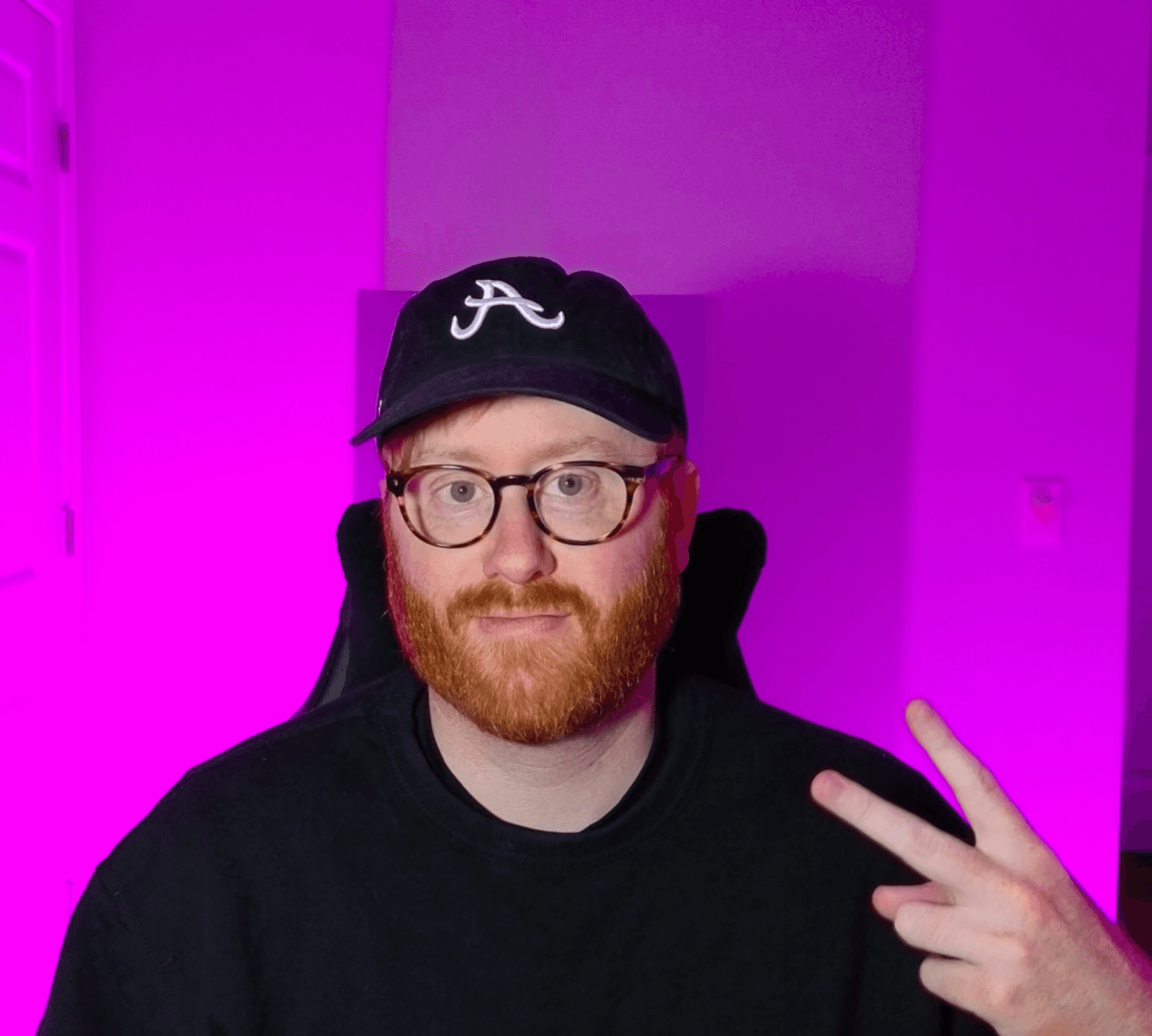
Hi, I'm Marshyy. I've been a music producer for the past decade-plus. It's about time I share some game! I teach every aspect of what I'm working on (including how I crank out these helpful articles) inside the Entreproducers community. Come network with like-minded producers and build with us!