
How to Sell Beats Online in 2025: The Complete Producer's Guide

Last updated: August 2025 | Read time: 13 minutes
The beat-selling game has completely transformed. It's never been easier to turn your bedroom productions into steady income. I know, everyone says selling beats online is way too saturated - and that's because it is. But so is selling t-shirts. And yet, newcomers to the ecommerce space keep making big plays. Don't let a competitive market discourage you. Whether you're just starting out or looking to level up your existing beat business, this guide breaks down everything you need to know to succeed in 2025's competitive landscape. Let's get it after it.
What We're Covering
Why 2025 Is The Best Time to Sell Beats Online
Setting Up Your Beat-Selling Foundation
Platform Strategy: Where to Sell Your Beats
Pricing and Licensing Like a Pro
Marketing Your Beats in 2025
YouTube Type Beat Mastery: Your Step-by-Step Growth Strategy
Building Long-Term Success
FAQ Section
Want to supercharge your beat sales with AI-powered fanbase growth strategies? Check out our free Entreproducers Fundamentals training - it's packed with actionable tactics for music monetization that actually work.
Why 2025 Is The Best Time to Sell Beats Online
The numbers don't lie - the online beat market is absolutely exploding. Independent artists are creating music at record levels, and they need quality instrumentals. What's changed is that the barriers to entry have gotten lower while the potential reach has gotten massive. See? Optimism baby!
Thanks to streaming platforms and social media, your beats can now reach artists worldwide within hours of upload. The tools for production, marketing, and sales have also become incredibly sophisticated yet affordable. Algorithms actually try to push your content to relevant audiences these days.
Here's what makes 2025 different: artists are increasingly comfortable buying beats sight-unseen online, the stigma around "type beats" has disappeared (they're now industry standard), and subscription-based beat services are creating recurring revenue opportunities for producers.
Setting Up Your Beat-Selling Foundation
Before you start uploading beats everywhere, you need rock-solid fundamentals. Your beats need to sound professional, period. This doesn't mean you need a $10,000 studio setup, but it does mean understanding basic mixing principles and having decent monitoring.
Focus on these production essentials: clean low-end that translates well across speakers, proper stereo imaging, and consistent levels across your catalog. Artists want beats that sound good in their car, on their phone, and in their headphones. Mixing matters when artists are directly comparing your track to another track.
File organization is crucial and often overlooked. Develop a consistent naming system like "BeatName_BPM_Key_@yourusername" and stick to it religiously. Export the finished track and also the stems up front so you don't have to go back and scramble later. This saves massive headaches when you're managing hundreds of beats.
For gear, you really don't need much beyond a decent DAW, reliable headphones or monitors, and a basic MIDI controller. The software landscape has democratized production - plugins like Serum, Omnisphere, or even free options like Vital can create professional-sounding beats. Just use what you like. If you're an Analog Lab guy, use Analog Lab. If you're an Omnisphere guy, use Omnisphere. Your creativity matters way more than your gear list.
Platform Strategy: Where to Sell Your Beats
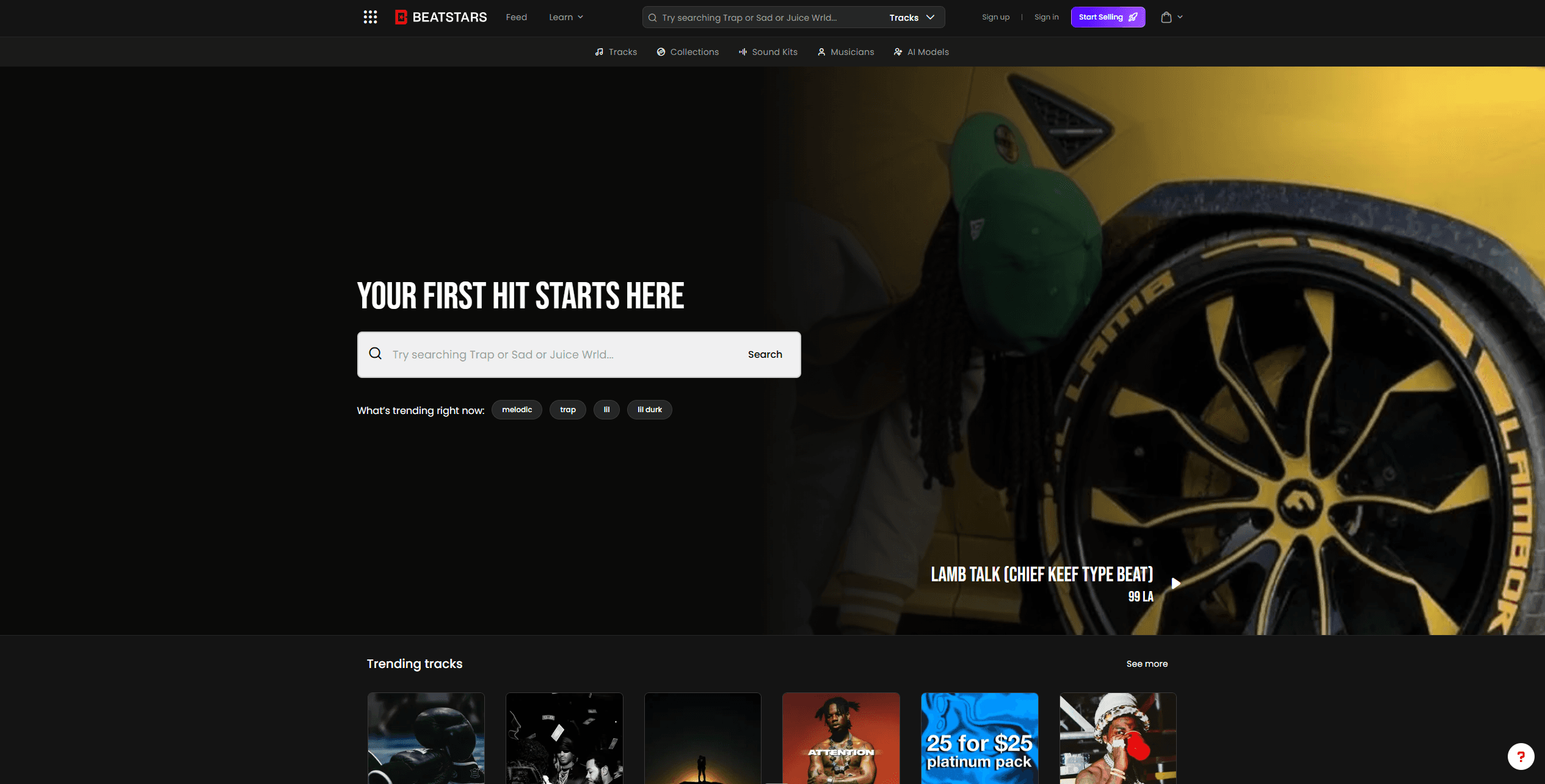
Choosing the right platforms can make or break your beat business. Here's the breakdown of major options:
Platform | Entry-level Paid Plan Monthly Fee | Pros | Cons | Best For |
|---|---|---|---|---|
$19.99/mo | Familiar, some built in traffic | High competition, high fees | New producers | |
$19.99/mo | Good analytics, artist discovery | Smaller audience | New producers | |
$19/month (billed annually) | Low fees, full control | Mostly suited for kit selling | Advanced producers | |
~$20/mo (varies) | Curated quality, hip-hop focused | Selective approval process | Advanced producers | |
Your Own Website | platform dependent | Complete control, higher margins | No built-in traffic | Established producers |
The smart move? Start with one major marketplace to build initial momentum, then consider expanding to your own website as you grow. BeatStars is often the gateway drug for new producers - you even get some built in platform traffic, but the competition is fierce. Think of any of these as your storefront. You need to drive most of the traffic yourself no matter where your store is located.
Building your own website using platforms like Sellfy, Gumroad, or even Shopify gives you higher profit margins and complete control over your brand. Most producers use these for selling drum kits and sample packs, but you can also sell beats too.
Don't spread yourself too thin initially. Pick one to start - go with BeatStars IMO! It's familiar to many artists and very straightforward.
What is Beat Leasing?
Beat leasing is the process where you, as a producer, “rent out” your beats to multiple artists under defined licensing agreements. Instead of selling exclusive ownership of a beat to just one buyer, you allow several artists to use the same instrumental under non-exclusive licenses.
This strategy enables you to generate ongoing revenue from the same beat while maintaining your rights until you choose to sell exclusivity. Nice, right?? Leasing is especially useful for independent producers who want to maximize income from each beat without limiting sales to a single buyer. Make that one beat work for you multiple times over!
Different lease packages such as Basic, Premium, and Unlimited define how the buyer can use the beat. This includes file formats provided (MP3 versus WAV versus full stems), allowable streams or sales, and monetization rights on platforms like YouTube or Spotify. Higher-tier leases command higher prices due to broader usage rights. Exclusive rights transfer full ownership to the buyer, stopping you from leasing that beat further and often commanding a premium price.
Pricing and Licensing Like a Pro
Pricing beats properly is an art form that balances market rates, your skill level, and perceived value. Most producers underprice their beats early on, which creates problems later when trying to raise prices.
Standard lease pricing in 2025 typically ranges from $25-100 depending on your following and beat quality. Exclusive rights range from $200-2000+. Don't price yourself at the bottom hoping for volume - it rarely works and devalues your brand. There's been a whole race to the bottom with pricing lately. It's pretty whack. Ignore it and value your art.
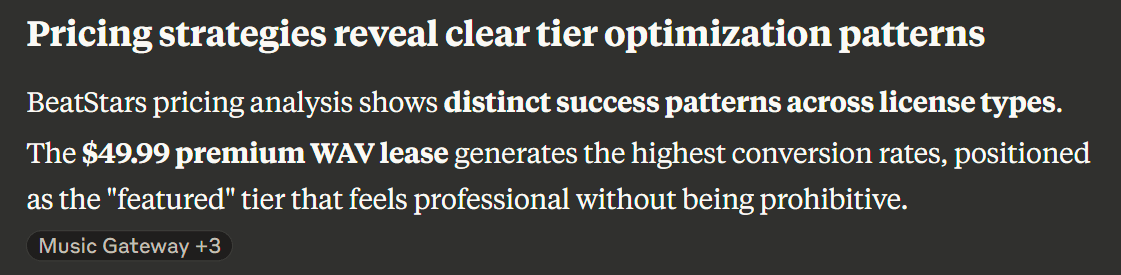
I asked Claude deep research about BeatStars pricing and it gave this valuable insight:
Here's a proven pricing structure for different license types:
Basic Lease ($20-50): MP3 download, basic distribution rights, 2,000 streams
Premium Lease ($50-100): WAV + tracked stems, extended distribution rights, 10,000 streams
Unlimited Lease ($100-200): Full commercial rights, unlimited streams, includes stems
Exclusive Rights ($200-2000+): Ownership transfer, producer credit, all stems included
Always use proper contracts even for basic leases. Platforms like BeatStars and Airbit handle this automatically, so it's quite easy. And remember, just because you're giving an exclusive doesn't mean you're not credited as the producer and entitled to your fair share of publishing rights.
Marketing Your Beats in 2025
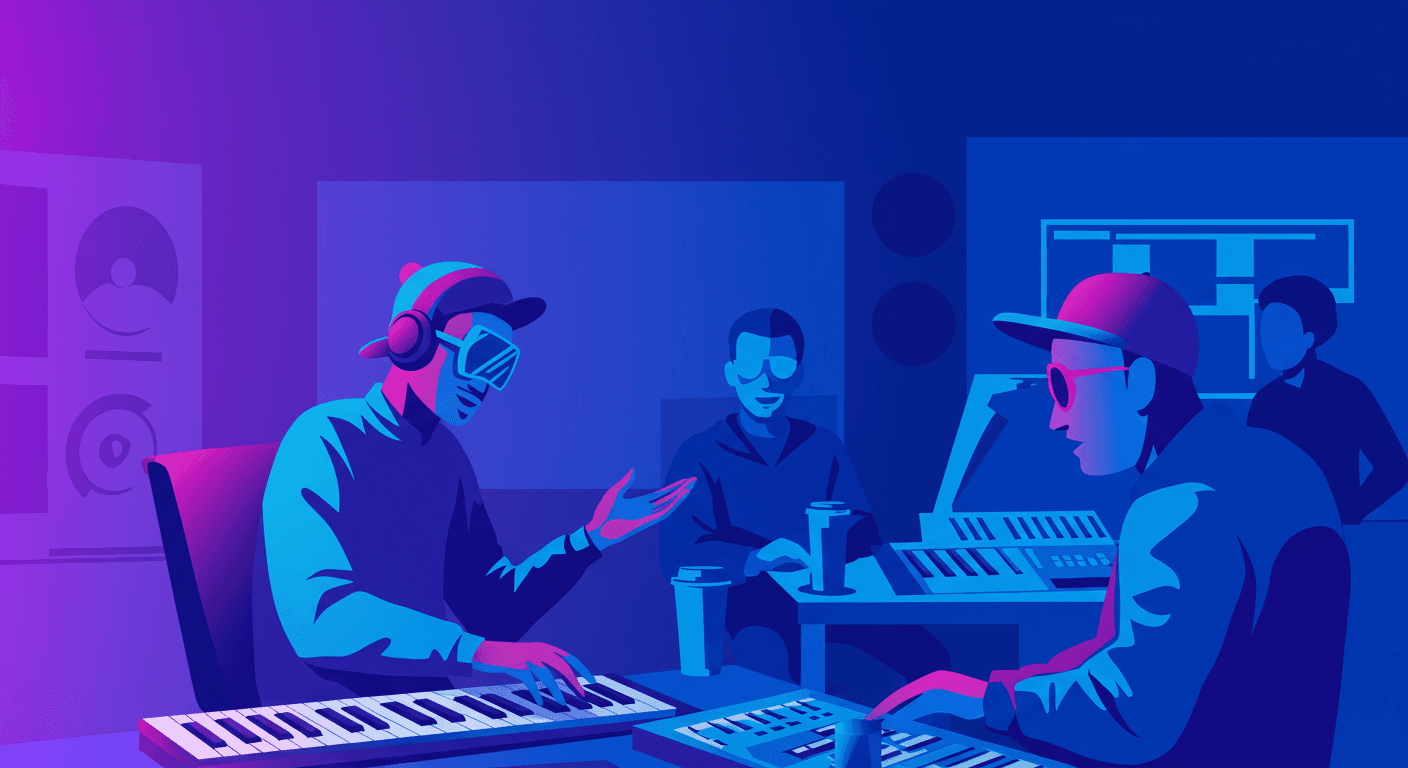
Marketing is where most producers fail, and it's not because they can't make good beats. They treat marketing like an afterthought instead of an integral part of their business. It is literally half the battle. Half making music, half what do you do after the music is made.
Social media is your primary vehicle, but each platform requires different approaches. Instagram is about aesthetic and lifestyle - show your setup, share behind-the-scenes content, and use Stories to connect personally with followers. TikTok is about hooks and moments - those first 3 seconds of your beat need to grab attention immediately.
YouTube deserves special attention (we'll dive deeper in the next section), but don't sleep on Twitter/X for connecting directly with artists and other producers. The music community there can actually be tight-knit and supportive.
Email marketing works incredibly well for beat sales. Collect emails through free beat downloads, then send regular newsletters with new releases, exclusive discounts, and industry insights. Tools like Kit or Mailchimp make this easy to automate.
Cold outreach gets a bad rap, but done right, it's incredibly effective. Research artists whose style matches your beats, then send personalized messages offering specific beats for specific songs. Generic "check out my beats" messages get ignored immediately.
The key is building genuine relationships, not just pitching constantly. Comment meaningfully on artists' posts, share their music, and provide value before asking for anything.
YouTube Type Beat Mastery: Your Step-by-Step Growth Strategy
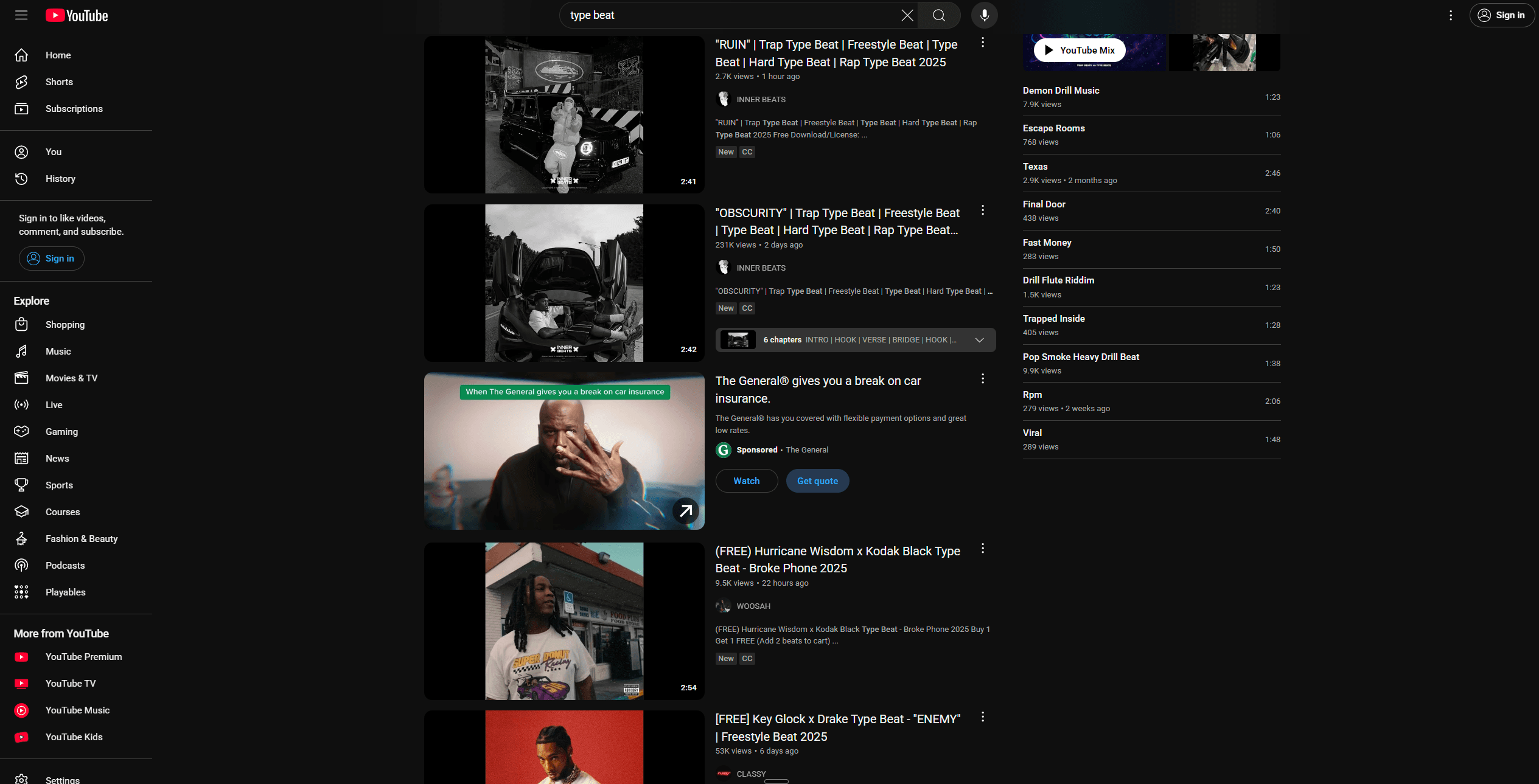
YouTube is the single most important platform for beat sales, and mastering the type beat format is non-negotiable in 2025. Here's exactly how to build a successful type beat channel.
Video Title Optimization
Your titles should follow the format "[FREE] FUTURE TYPE BEAT - MONEY". Change Future for the artist of your choice that best represents your sound. Research trending artists weekly and create beats for whoever's buzzing. Tools like Google Trends and Social Blade help identify rising artists before they explode. This stuff actually matters in the type beat game.
Building Beats for Average View Duration:
YouTube's algorithm favors videos that keep viewers watching. Structure your beats with clear sections - intro, verse, chorus, verse, chorus, bridge/outro (if applicable). Some people even like to do full beat switches halfway through to prevent listeners from clicking away. Most successful type beats are 2-3 minutes long.
Upload Schedule Consistency:
The algorithm rewards consistent uploading. Pick a schedule you can maintain long-term - whether that's daily, every other day, or three times per week. Batch produce beats and schedule uploads using YouTube's built-in scheduler.
Description and Tag Optimization:
Your description should include the BPM, key, and purchasing links above the fold. Include relevant tags like the artist's name, genre, and mood descriptors. Don't keyword stuff - YouTube's smart enough to understand context now. Keep your description simple and make it obvious where they can buy or free download (so you can get their email address).
Cross-Platform Promotion:
Post teaser clips on TikTok and Instagram pointing back to your full YouTube videos. Create Instagram Stories with polls asking followers which beat they prefer, driving engagement across all platforms.
Essential Tools for Productivity:
Use TubeBuddy or VidIQ for keyword research and optimization suggestions. Canva makes creating consistent thumbnails easy. Honestly, one thing that surprised me is how many producers just use Pinterest for their thumbnail pictures. There's a ton of rap aesthetic images on there. Schedule social media posts using Buffer to maintain consistent promotion without being glued to your phone.
Converting Views into Sales:
Your YouTube success means nothing if it doesn't translate to sales. Pin comments linking to purchase options, create compelling end screens directing viewers to your beat store, and use YouTube's description card features to highlight purchasing options throughout the video.
The channels crushing it in 2025 are treating YouTube like a business, not a hobby. They're analyzing metrics, optimizing constantly, and building genuine relationships with their audience through consistent, valuable content.
Building Long-Term Success
Sustainable beat selling isn't about viral hits - it's about building systems that generate consistent income month after month. This requires thinking beyond individual beat sales toward building a recognizable brand and loyal customer base. This is something we talk about in detail inside the Entreproducers community.
Create a sustainable release schedule you can maintain long-term. Better to consistently release quality beats twice per week than to burn out uploading daily for a month then disappearing. Your artists need to know when to expect new beats.
Building relationships with artists is infinitely more valuable than one-off sales. When an artist buys from you once and has a good experience, they'll often become repeat customers and refer their friends. Provide excellent customer service, respond quickly to messages, and occasionally throw in bonus stems or alternate versions.
Consider developing signature sounds or series. Some producers build entire brands around specific styles. Are you the go-to emotional trap guy? Are you the guitar trap guy? This makes you the go-to producer for artists seeking that particular vibe.
Scaling requires systems and possibly team members. As you grow, consider hiring virtual assistants (or leverage AI) for social media management, thumbnail creation, or basic mixing tasks. This frees you to focus on the creative and strategic aspects of your business. Of course I am biased towards using AI to help with the stuff I'm not as good at. It's what I teach!
Most importantly, treat this like a real business. Track your metrics, reinvest profits into better equipment and marketing, and always be learning from successful producers in your genre. The beat game is competitive, but there's plenty of money to go around for producers who approach it professionally.
Ready to accelerate your beat business growth? The strategies in my Entreproducers Fundamentals free training can help you build systematic approaches to fanbase growth and monetization that compound over time. Check it out!
Frequently Asked Questions
What are the best platforms for selling beats in 2025?
BeatStars remains the top choice for new producers due to having built-in traffic and ease of use. Established producers often prefer building their own websites using Sellfy or similar platforms for higher profit margins.
How long should my type beat videos be?
Most successful type beats run 2-3 minutes. This gives artists enough content to write full songs while maintaining good average view duration for YouTube's algorithm. Some even include beat switches around the 45-second mark to keep listeners engaged.
How important are beat switches for YouTube growth?
Beat switches can be beneficial for maintaining viewer attention and improving your average view duration metrics. They should feel natural and enhance the beat rather than being forced. Don't feel like you have to have a beat switch in every beat.
What are the key elements of a professional beat-selling website?
A clean design, easy navigation, high-quality audio players, secure payment processing, instant download delivery, mobile optimization, and clear licensing information. Include producer bio, contact information, and social media links to build trust with potential buyers.
How can I price my beats competitively in the online market?
Research competitors in your genre and skill level. Standard leases typically range $20-100, exclusives $200-2000+. Don't underprice early on - it's harder to raise prices later. Focus on providing value through quality beats, good customer service, and professional presentation.
What are some effective strategies for converting YouTube views into beat sales?
Pin purchase links in comments, use compelling end screens, create urgency with limited-time discounts, respond to all comments to build community, and consistently direct viewers to your beat store throughout video descriptions. Most importantly, make amazing beats!!
TL;DR
The beat market in 2025 rewards producers who combine musical talent with business savvy. Focus on creating quality music, building genuine relationships, and treating your beat sales like a real business. The opportunities are massive for producers willing to put in consistent work across both the creative and business sides of the equation. My last bit of advice for this guide is simple enough to understand but oh so difficult in practice: don't quit. I've personally struggled mightily with this part, I'll keep it real. From my experiences and many years of studying the game, the producers who win are the ones who don't quit.
About the author:
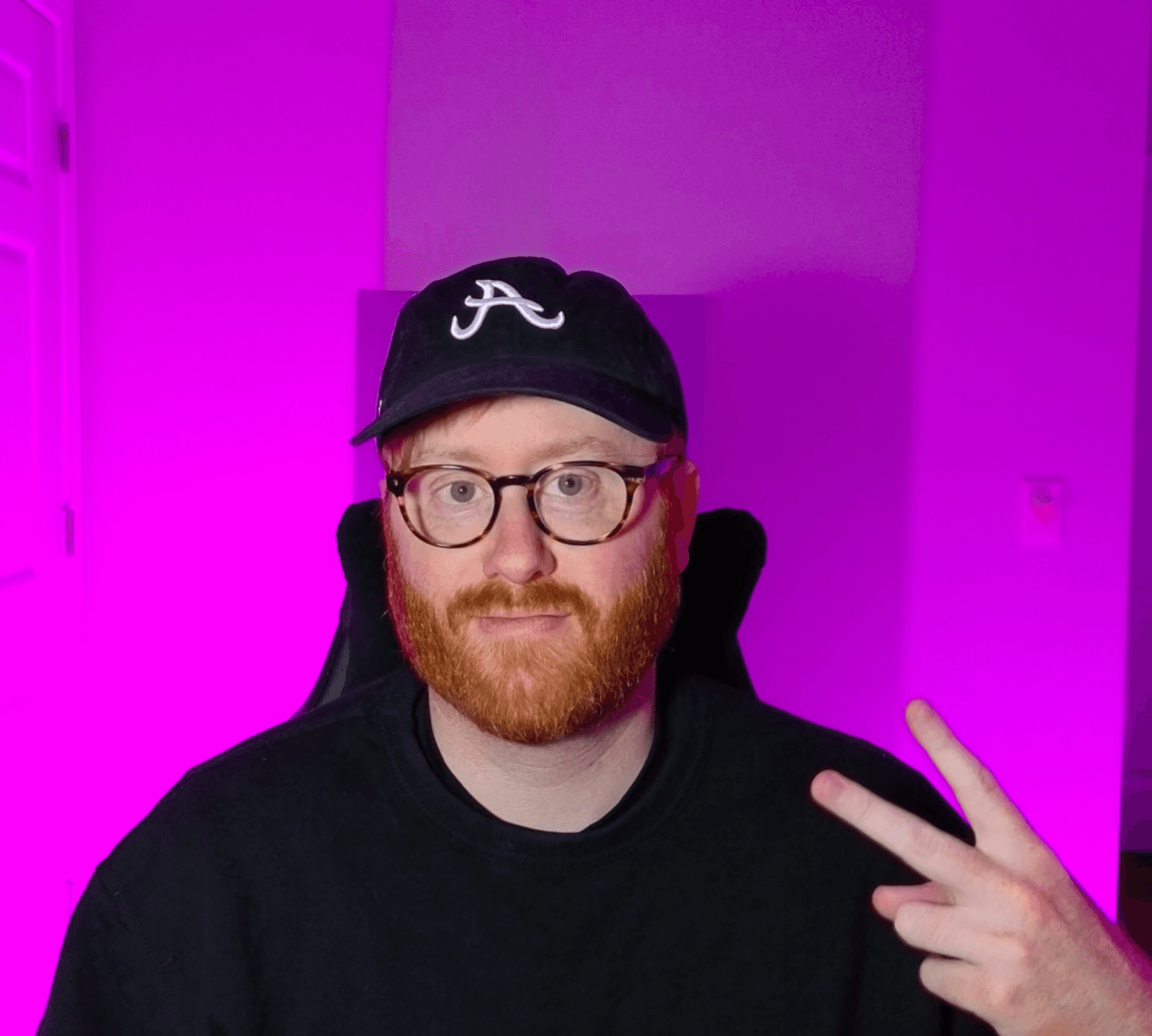
Hi, I'm Marshyy. I've been a music producer for the past decade-plus. It's about time I share some game! I teach every aspect of what I'm working on (including how I crank out these helpful articles) inside the Entreproducers community. Come network with like-minded producers and build with us!